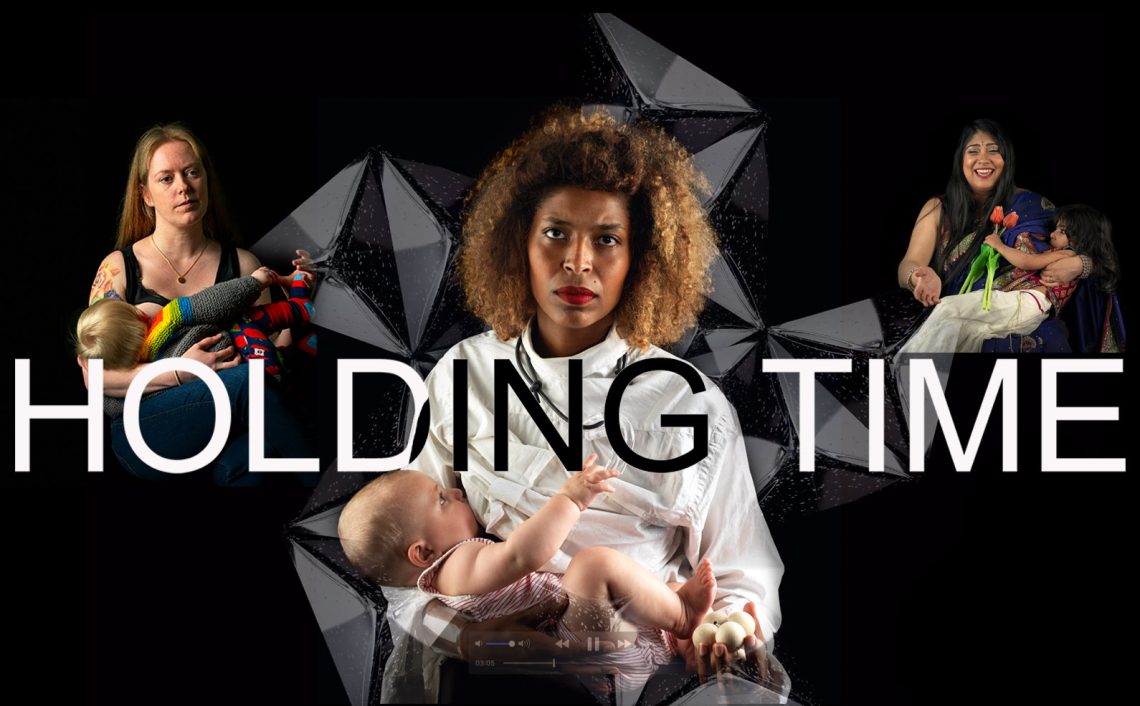
Sophie:
Hi, I’m Sophie. I’m mum to Olive, who’s just turned three, and Matheson, who is four months old.
At our 20-week scan with Olive, we were told there was a slight problem with her kidneys and that they couldn’t see her heart clearly. We were asked to come back the next day for a cardiac scan.
During that scan, they told us she had quite a serious heart problem.
We were referred straight to foetal medicine to understand why she had multiple health complications. We’d only just been given the heart news when, two hours later, we were called back and told they’d likely want to do an amniocentesis.
I’d always said I’d never have one. But in that moment, with everything we’d just heard, we followed the doctor’s advice.
A week later, we got the phone call confirming that our baby had Down syndrome.
We were told to take time, consider our options. A week later, we had a conversation about termination or continuing the pregnancy.
We were cracking on.
It was such a difficult time that it’s hard to remember clearly. But I do remember being told that babies with Down syndrome generally can’t breastfeed.
And I remember thinking, really? Are we sure?
I went straight into what I call “power mum mode.” Before she was even born, I was researching. I made it clear in my birth notes that I wanted to breastfeed if at all possible, and that she wasn’t to be given a bottle without my consent.
It wasn’t easy.
Shortly after birth, she stopped breathing and was taken to NICU. She had lots of tests. I started expressing immediately, and she was given my milk through a tube.
She was born a good weight — 7lb 15oz — but they wanted her as big as possible before operating on her heart. So I expressed and also gave top-up bottles alongside breastfeeding, because she tired so easily.
She slept all the time. I didn’t realise just how much until I had my second baby.
At 12 weeks, Olive had open-heart surgery. She went to paediatric intensive care for four days, then high dependency for two.
I just expressed constantly.
She only had my milk in those days, partly because I’d built up a freezer stash. When we moved back onto the ward together, we started working on feeding again.
Babies with Down syndrome often have low muscle tone. There’s a question about whether they have the muscle strength in the tongue and mouth to extract milk effectively. Combined with her heart condition, she tired incredibly easily. She’d feed a little, then fall asleep.
It was all about getting volume into her.
When we moved onto the transition ward — where we were back together but still had support — one nurse said, “Shall we try feeding?”
She repositioned us both. It was that hands-on moment — moving my body, moving the baby — and suddenly she was feeding beautifully.
It was like, wow.
She still struggled at times, and another nurse suggested a nipple shield. That helped enormously. She didn’t have to work quite as hard.
What I hated was being told she wouldn’t be able to breastfeed before she was even born.
It felt archaic. We talk about giving people with Down syndrome independence, careers, opportunity — and yet we’re writing babies off before they’ve even had a chance to try.
Olive self-weaned at around 13 months when I went back to work. It was very her. No drama. She just decided.
With my second baby, Matty, breastfeeding was completely different.
He gained weight brilliantly, but I was in agony. Tongue tie was ruled out by the health visitor. Because he was thriving, no one was concerned.
But I was in tears every day, every night. I’d lie scrolling, deciding whether to buy a pump and give up.
Eventually, I saw a private lactation consultant.
It was game-changing.
Matty did have a tongue tie. He also had neck tension from a quick birth. She adjusted positioning, gave me practical changes — and within a week, the pain was gone.
After Olive was born and taken to NICU, there wasn’t really anywhere for me to go.
I wasn’t going to the maternity ward with my baby, so I was put back on a ward full of women waiting to be induced or for C-sections.
All these big bumps. But no baby with me.
It was awful.
I arrived there at about half eleven at night and was basically sent to bed. No proper checks. No pain relief. No midwife support.
When we were still pregnant and seeing foetal medicine, we had to walk through the normal maternity waiting area to get to our appointments. I remember resenting those women with seemingly normal pregnancies.
And that same corridor is where someone who has just lost a baby might also have to walk.
It feels so wrong.
For me now, it’s about changing that narrative for the mums who come after me. We need to educate medical professionals about the language they use. We need better support, especially for mums who receive a birth diagnosis — because their world has just been tipped upside down.
It’s about giving women options.
Olive did have some formula in NICU. But she could have had donor milk. No one mentioned it.
Why aren’t we offering more options when things are hardest?
That’s when women need the most support.
I felt completely abandoned in a huge hospital.
And even with the best friends and family, everyone focuses on the baby. They ask about the baby.
No one really asks, how are you?
And sometimes that’s the question that matters most.