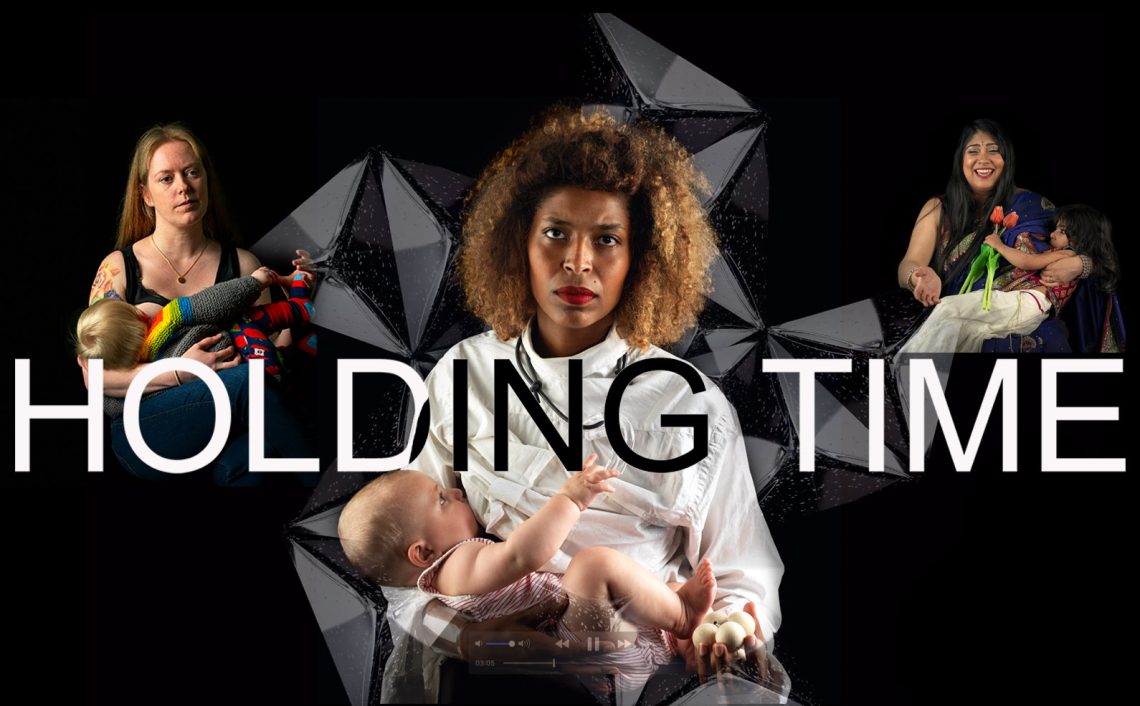

Interview with Zoe
[00:00:00] Zoe: I’ve breastfed all three of mine, and I’ve had really different experiences, certainly with Reuben, my first little boy. Breastfeeding him was a real challenge. I thought he was latching fine, but I don’t know, in hindsight now, having breastfed two more babies, maybe he wasn’t actually latching perfectly.
[00:00:20] Zoe: He seemed a very happy little baby and I was solely breastfeeding. We got into the swing of things but then there was a constant, oh he’s not meeting the growth charts and you know, he’s not putting on weight. He was, he was a very long baby, if that makes sense. I’m very tall and he was very long, you know, so I was less worried to begin with because I was like, you know, he’s distributing his weight a little bit differently.
[00:00:45] Zoe: But, you know, you get the constant, you know, well maybe just top him up with formula, or, you know, he’s maybe not getting enough, and it got to the point where I was having to meet The health visitor quite a lot, and the doctor quite a lot, because they were concerned about his weight. Yeah, I ended up, I hired one of those, like, industrial pumping things.
[00:01:08] Zoe: I’d breastfeed him, and then I’d pump, and we’d constantly go on that kind of circle. So he was having a bit of extra top up, and then we got thrush, and that was just a nightmare. So there was just one thing after another that sort of compounded it. Into being this thing that I was just obsessing about quite a lot.
[00:01:27] Zoe: People mean well, don’t they? They’re like, oh, you know, give yourself a break, give them a bottle. But when you’re really trying to make breastfeeding work, it’s kind of not what you want to hear. You kind of just want someone to bring you a bit of cake and a cup of tea and say, just relax and, you know, you’ll be able to pump more than half an ounce.
[00:01:46] Lisa: I think that’s true generally in life, isn’t it, when you’re struggling, that you don’t want people to be prescriptive with their advice. Because also then if you don’t follow the advice, you sort of feel like they’re upset at you, like you disagree with them or
[00:02:01] Zoe: Yeah, exactly. It’s just another pusher, isn’t it?
[00:02:04] Zoe: So yeah that was really tricky but actually once he started eating solids as well, we managed to get rid of the thrush and he started eating solids and yeah putting the weight on better and yeah it all worked out and we breastfed till about 14 months before we stopped. I don’t know, I feel quite guilty about stopping breastfeeding with Ruben.
[00:02:28] Zoe: Ruben, when he breastfed, he would breastfeed for, you know, like 40 minutes. It was a proper comfort to him as well as being like a food source. Whereas Emmett, my second son, he was really efficient. You know, 10 minutes, he’d get what he needed and then that’s it. See you later, Mum. I’m off doing something else.
[00:02:47] Zoe: So stopping breastfeeding with Emmett, my youngest boy, was, you know, literally, I just stopped. One day and didn’t offer it again and that was it. He wasn’t bothered at all. He didn’t even ask for it again. So I think it was me sort of, you know, wanting to throw it out. Where I was with Ruben, it was a lot stopping with him, but we’d got to sort of 14, 15 months and I paid too much attention to other people’s opinions and advice.
[00:03:15] Zoe: And yeah, I think if I had to go back, I wouldn’t have stopped. Until he was ready, rather than, you know, at the point at which I thought everybody else
[00:03:28] Lisa: saw him as being ready. Who influenced you in that situation? Was it, was it generally, like, just People looking at you in a funny way or was it specifically like people around you thought you should?
[00:03:42] Zoe: No, I think people around more than anything, you know what I mean? I’m not necessarily one to take note of somebody, you know, saying something in the street or, you know, giving you a dirty look or whatever in the street. But yeah, a lot of, you know, a lot of my family and, you know. He’s old enough now and he’s getting what he needs from food and, you know, maybe if you start by speeding as much you’ll sleep a bit better and, yeah, all the things that now as a mum of three I’m like, just turn them off, just, like, you know best.
[00:04:19] Lisa: Yeah, well the thing is the public are being educated aren’t they by formula companies that are advertising formula from six months so So that is a form of public health education, whether we like it or not, it’s done by private companies. And those companies are advocating to parents and the wider community that you don’t need breast milk after six months.
[00:04:41] Lisa: So if you, if you fed eight months beyond that, people are already thinking, well, you’ve done far more than you need to.
[00:04:46] Zoe: Yeah, because
[00:04:47] Lisa: there is an agenda, another campaign, another education campaign that says, you know, you need to feed a baby for a couple of years. And then as long as you can, you know, there’s no, there’s no counter information.
[00:05:00] Lisa: So people just have the information that they’ve got, don’t they?
[00:05:03] Zoe: Yeah, exactly. If I could go back to bringing Ruben up now, having the confidence that I’ve got, and the sort of, You know, confidence in my own ability more than anything else. I do think that’d, that’d do me the world of good. You are what you are.
[00:05:23] Lisa: Did you, did you feed Emma for longer than 14 months then?
[00:05:27] Zoe: He was a little bit longer, but I think because he was so, like, not bothered at all. We stopped at a similar point, but it got to the point where we were just having a little night time feed anyway. And like I said, it was more for me than for him, in a weird sort of way.
[00:05:43] Zoe: You know, I enjoyed that closeness with him, but actually he wasn’t really bothered and he would often, like, come on and off and yeah, so when I’d sort of, you know, decided, like, the time is right now, like, I knew it was right because he was, you
[00:05:58] Lisa: know, completely
[00:05:59] Zoe: unfazed by it.
[00:06:02] Lisa: Yeah, it’s so interesting, isn’t it, that you can have Three babies and observe these differences in them because you’ve had three and I suppose a lot of the reason we’ve lost expertise in breastfeeding is because women just have fewer children.
[00:06:17] Lisa: Yeah. So like even three, you’re kind of an expert. If you have four, you’re, you’re like a genius level, aren’t you? No, we’re done. But I’m just saying I’ve interviewed women who’ve had four children and, and your level of like knowledge about it, but actually, I do have a friend who has had 10 children. And when I talked to her about breastfeeding, it’s really very interesting because the main thing she emphasises is how different it is with every child.
[00:06:46] Lisa: Circumstances like when you say about Emmett being a fast feeder and that he was happy to end breastfeeding at that age sort of suggests that he was kind of like quite capable of feeding from the beginning, you know, like children have different strength in their tongue and their mouth and their jaw and all of that really influences whether or not they grow or put on weight or like you say are efficient.
[00:07:11] Zoe: Yeah,
[00:07:11] Lisa: yeah. It’s not really anything you’ve done differently, is it? No, that’s it.
[00:07:15] Zoe: Yeah, and Emmet was, yeah, he was a proper chubby little thing, you know, he was on the top end of all the growth charts.
[00:07:21] Lisa: Was there any difference in their births? Was it different? No, not
[00:07:25] Zoe: really. Oh,
[00:07:26] Lisa: interesting. And were you breastfed?
[00:07:29] Zoe: I was, yeah, and my mum was very, you know, she was very sort of, she definitely wanted to breastfeed both of us. But she was also very much up to six point, and then that was it, at six months, she stopped, so. And what year were you born
[00:07:45] Lisa: in?
[00:07:45] Zoe: I was 84, baby.
[00:07:47] Lisa: Right. I mean, that was quite unusual for 84, wasn’t it?
[00:07:50] Lisa: Yeah, yeah, yeah. That was definitely sort of the height of formula, because I was telling someone the other day, About when I was 10, which would have been 1980, or 81, 82, that’s when I actually discovered there was such a thing as breastfeeding. When I found out about it, I thought people were pulling my leg, you know?
[00:08:11] Lisa: Yeah. And then my mum showed me a picture of a woman breastfeeding, and it’s so funny thinking about it, but I was like really disgusted. Yeah. I found it really, really
[00:08:20] Zoe: weird. We had a similar chat in the writing groups. She had us, like, talk about the first time we can remember breastfeeding. I’d got onto a train with a woman who was breastfeeding her, like, older toddler.
[00:08:35] Zoe: And it was sort of the first time I’d ever seen, like, breastfeeding full stop, let alone breastfeeding an older baby. So, I was the same. And like thinking back on it now like I’m like ashamed of the way I felt but I guess societal upbringing is just you don’t see it around and I guess if you’re not seeing it and I often get it from kids in the park you know I’ll take my boys to the park after school and often I’ll have to sit there breastfeeding her and there’s some children that will come up and what are you doing yeah why are you not why have you not got a bottle and are really confused by it and yet Emma because he’s been around it so much you know he’s Yesterday, actually, he’s got his shirt off and he’s feeding his doll.
[00:09:17] Zoe: Oh, my baby’s hungry, mommy. You know, so you’re like, yeah, it’s just what you’re exposed to, I think. Yeah, of course. Like, I find it quite sad that it’s not something that we’re all sort of exposed to more. There’s always babies on the telly, you know, in adverts or on soaps or whatever, and they’re all sat there with a bottle, you know, it’s really rare that you see women breastfeeding their children.
[00:09:44] Lisa: It was an unusual aspect of an Ikea ad recently. How was it? Yeah, there was a mother, it was like, you know, the new nursery and stuff, and she was sitting in the middle breastfeeding. But even then, you know, It’s always a baby. And so there’s no understanding of this later phase of breastfeeding, which might be from one and a half onwards, which is, it is very important for children, but you know, it suffers from very poor visibility and is poorly understood.
[00:10:15] Lisa: You know, there’s a dearth of research. Yeah. So yeah, as a mother though, you sort of can sense whether a child’s. wants to continue breastfeeding. Well, certainly that’s what mothers have said to me and that’s how I felt.
[00:10:29] Zoe: Yeah.
[00:10:29] Lisa: I feel like it gets really difficult being told that you should stop because you feel like people are interfering in something.
[00:10:37] Lisa: Yeah, going back to what we were saying earlier about prescriptive advice, it starts to become more like a judgement, doesn’t it?
[00:10:44] Zoe: Yeah.
[00:10:45] Lisa: Do you breastfeed in public? Do you feel
[00:10:48] Zoe: okay doing
[00:10:49] Lisa: that?
[00:10:49] Zoe: I do, and I feel, yeah, it’s very different this time around than it has been with my sons. I mean, to be honest, Emmett was a lockdown baby, so Nobody did a lot of public anything.
[00:11:02] Lisa: Yeah.
[00:11:03] Zoe: But with Reuben I certainly felt very conscious of it and I was constantly like, Oh gosh, what am I going to wear that’s going to, like, not show any flesh when I feed them? And where can I sit? And, you know, I’d position myself in coffee shops so that I was, like, turned away from people. And yeah, I remember there was this one time in this one particular coffee shop, and of course.
[00:11:26] Zoe: When they get to a certain age where, I mean, she’s sort of past it a bit now, but sort of four or five months, they know it’s coming. So they make like the most noise possible just when you’re about to get your boob out, which
[00:11:38] Lisa: Just to let everybody know, that might not be interested, just to look at your direction.
[00:11:44] Zoe: Yeah, exactly. One time you don’t want everybody to look at you, so just make the most noise ever. And we even had done that in this coffee shop. There was this old man, bless him, and he obviously looked over just as I was trying to latch him on, and it was really early days, so we were still trying to find the latch, and yeah, he just, I just had this look, and Reuben was getting really upset, and I just got to, I couldn’t latch him on properly.
[00:12:10] Zoe: Without getting my boob properly out, basically, and I didn’t want to do that, so I ended up covering myself up, shoving it in the plaram and just getting out of there, and I went and sat in the car and just fed him and cried. Yeah, I think it’s the confidence thing, isn’t it? Like now, in that situation.
[00:12:26] Zoe: It’s nothing I’d ever do, you know, you just, I’m still, I’m still, you know, not necessarily confident enough to just properly embrace getting my boob out, which I’d love to be, but I’m not that person, but I certainly wouldn’t ever. You know, be ashamed of what I was doing. Yeah. I think in those early days with Reuben, I did sort of have a bit of that.
[00:12:52] Lisa: It’s difficult when you don’t quite know what you’re doing anyway. I mean, it is quite a big learning curve. And then to have people you don’t know, look at you sceptically. while you’re attempting this thing that you, you’re possibly not actually very good at, you know, at that stage. It’s a bit of a performance.
[00:13:10] Zoe: Yeah, well, neither of you are. You and baby, you’re not very good at it. So yeah, it
[00:13:15] Lisa: is really difficult. And it can be misinterpreted possibly by some people, not Not, I wouldn’t generalise with different generations because I find also some older people were, when I was breastfeeding, the most supportive, you know?
[00:13:29] Zoe: Yeah, yeah, I mean I had an instance in the park and I’d sat on this bench while the boys were riding up and down on the bench and was feeding her and this old lady just came and sat next to me and she was like, that is absolutely beautiful, I’m so glad, yeah.
[00:13:43] Zoe: Feeding her yourself and, you know, she just had a chat to me and then talked about her daughters and how she breastfed them, you know, and I was like, that’s it, isn’t it? You know, that’s what you need in those situations almost.
[00:13:56] Lisa: I think what we need is a different verb for the act that we’re doing because I think the, the term breastfeeding, there’s debate about it, you know, certainly in terms of making it accessible to people who give birth, who don’t identify as female, there’s this sort of mention of the term chest feeding, but that’s sort of like, is a similar kind of term, but without the breast, which I think is.
[00:14:19] Lisa: Not a good replacement. And then we have the term human milk for what it is that’s coming out of the breast, but what we don’t have is a good word for what we’re doing. I mean, maybe human feeding, but that sounds weird. It sounds like you’re feeding them bits of arms and legs. But we need a new verb, you know.
[00:14:38] Lisa: I think one that isn’t so, it’s sort of less sexualised. And
[00:14:43] Zoe: less
[00:14:45] Lisa: physical and a bit more kind of honours it in a different kind of way, you know, like when you say she described it as you feeding your baby yourself, like that’s just such a nice way of summarising what you’re doing, independent of any other.
[00:15:02] Lisa: Industrial food complex or whatever, you’re feeding your child and that is a person to person, mother to child act of love or, and it’s got this nice tone to it that I think breastfeeding lacks, you know? It’s a bit mechanical, isn’t it?
[00:15:20] Zoe: Oh yeah, totally.
[00:15:21] Lisa: In a fleshy sort of way.
[00:15:23] Zoe: Yeah, it’s nourishment, isn’t it?
[00:15:25] Zoe: Like, like they are getting their nourishment. Yeah. Yeah, no, you’re right, like some sort of,
[00:15:30] Lisa: like, different terms for it would be. Yeah, nourishment’s a good one. Like, if it could be something nourishing, you know, like, I don’t know. But anyway, I think we need some new words around it. I think that would help, a bit of a rebrand, you know?
[00:15:45] Lisa: Yeah, totally. Is there more that we could be doing to make it easier for mothers that want to breastfeed?
[00:15:52] Zoe: Oh, definitely, I think. Yeah, I think I’ve been really fortunate in that my births and experiences in hospital with the NHS have been wonderful, on the most part, particularly with the breastfeeding support that I’ve had.
[00:16:09] Zoe: You know, I was fortunate enough with both the boys to be able to stay overnight in my own little room with the boys and, you know, there was a nurse or a health visitor there as soon as I’d ring the bell if I couldn’t latch them on properly and, you know, that level of support. Particularly with Reuben, with my first, was so, like, appreciated.
[00:16:33] Zoe: I don’t, I don’t really know how I’d have managed without, without that. And I think after, you know, you come home as well, there’s, there’s that level of support initially from the midwife, you know, the midwife would come and, and the midwives I had were very helpful in checking my latch properly and, but then it suddenly sort of drops off a cliff, when it’s almost the time when you need it the most.
[00:16:58] Zoe: You sort of get to the point where your milk started to come through and you pass the point at which the midwives are coming to visit and you’re suddenly at this point where your, your nipples are bleeding and like blistered and your boobs are enormous and you know you just want somebody to come and tell you that you’re doing it right and there isn’t that support there and you know with Reuben we at least have the health visitor place just up the road and they run a session every Wednesday.
[00:17:29] Zoe: So I could go along and they would check my latch and, you know, you could see other mothers and, you know, that, that turned into a little bit of an obsession because we ended up on their scales every week, which then wasn’t necessarily great because you were checking the blooming curves all the time, but some sort of support.
[00:17:48] Zoe: After those initial midwife visits, you know, because your midwife stopped coming at whatever it is, day five, and then you don’t see the doctor till eight weeks, and I can imagine it’s that window where women just stop because it’s too much.
[00:18:03] Lisa: I think that is when the statistically, you know, it’s a only 50 percent of women that initiated breastfeeding are still breastfeeding at that point.
[00:18:11] Lisa: And if you consider that maybe it might be 70 to 75 percent of women that might initiate, I mean, the data is a bit, possibly a little bit suspect sometimes because you have to feed a baby to leave hospital. So sometimes people are feeding formula when then they might. actually ultimately try breastfeeding and then also some people might try breastfeeding and then go to formula.
[00:18:32] Lisa: So it’s quite hard to know whether, yeah, is the initiation rates are all that accurate. Yeah, I think that that figure at six weeks is probably quite accurate, which is, or I think might be three to, is it three to four or is it six weeks? But yeah, that’s when it’s noted again. that a large proportion of people who started have stopped.
[00:18:50] Zoe: Yeah, and I can, I can understand why, because it is, it’s bloody hard. You know, it is, it’s so hard, and you’re already trying to recover from birth, and, you know, now you’re trying to do this extra thing. It’s like what you said, you know, it’s an extra skill that you’re both trying to learn, and, you know, with external pressures.
[00:19:13] Zoe: Just because of the society, you know, oh, well just give them a formula, you know, just give them a bottle, make it a bit easier for yourself. Like, the way I see breastfeeding is that, frankly, I’m lazy. I don’t want to be getting up in the middle of the night, making a bottle of formula however many times I need to, or carrying God knows what with me every time I go out anywhere.
[00:19:34] Zoe: Once you’ve got it down and you and your baby are in tune, obviously there’s a million other benefits to breastfeeding, but it is genuinely easier. You know, you don’t have to faff and listen to your baby scream while you’re waiting for your milk to heat up. Yeah, so I often say to people, I’m just lazy, I want to keep breastfeeding, because it is so much easier.
[00:19:59] Zoe: And I just think Like, none of those positives are ever talked about and, you know, that along with the whole, like, society outlook on breastfeeding, you know, like what I said before, you know, we see bottles, you know, every bloody doll that’s on sale is on sale with a bottle. It’s just trying to make that a bit more visible, you know, and a bit more, a bit more normalised, I guess.
[00:20:25] Zoe: And like you said, from sort of six months and beyond as well. How would we do that though? Any thoughts? You know, a lot of it could come from things like the television. You know, these people that are making these shows could feature breastfeeding stories and breastfeeding women at different age of children, you know, there’s babies and toddlers and all sorts of families.
[00:20:48] Zoe: displayed on these shows. I mean, personally, I don’t watch soaps, mainly because I don’t have time to watch soaps, but lots of people do. That’d be a way to get it out there more. You know, I think some form of education for children would be really beneficial, you know. You know, why can’t breastfeeding mothers go into schools and, I mean, God, it’d be absolutely, I can imagine the uproar now.
[00:21:14] Zoe: It’s a great idea. Breastfeeding mothers could go into schools and, you know, talk about their stories and talk about how they’re feeding their baby and, you know. You know, it is ultimately all anatomy, you know, and it would give children that exposure so that, you know, they’re not sat on a train at, you know, 12 or whatever and horrified by the woman sat next to them resting in their toddler.
[00:21:38] Lisa: Children are the place to make change, probably, aren’t they? Because they’re unprejudiced.
[00:21:44] Zoe: Yeah, there’s a couple of Kids books that we’ve got for the boys that feature women feeding their babies, breastfeeding their babies, which is nice, but, you know, seeing more of that in children’s books would be great way to get information to them.
[00:22:00] Lisa: Yeah, that’s true. That’s a really interesting set of thoughts about schools and children. I know that the Royal College of Pediatricians suggested that there should be child education. of breastfeeding and there was, you know, you can imagine what the male had to say. But I mean, it’s obviously a good idea, isn’t it?
[00:22:18] Lisa: Because it sets up an expectation. And I think when you put those expectations in really early, they set really deep. So in the same way as we put in, if we put in low expectations early, they’re really hard to get over when we’re older. Whatever they’re about, whether it’s that I can swim or I can run my own business or, you know, there’s all this focus on all these other things that we want children to expect of themselves, but it would also really help with normalising it.
[00:22:48] Lisa: Whether or not you can breastfeed, whether or not you have a good experience of breastfeeding, it would normalise it so the people around you Sort of feel comfortable with the idea of it. If children were educated,
[00:22:59] Zoe: yeah,
[00:23:00] Lisa: sort of create an environment where that’s the expectation and the norm.
[00:23:05] Zoe: Yeah.
[00:23:06] Lisa: I feel like we’re still quite a long way off from that, to be honest, possibly a generation away from it.
[00:23:11] Lisa: We’re possibly another generation away from it.
[00:23:14] Zoe: Yeah, I think so. I would say at least, to be honest, they’ve been debating the whole, you know, having sex education, haven’t they, in schools, and how that comes across. So I can imagine this would have a similar backlash to a certain extent. But that’s almost the problem, isn’t it?
[00:23:28] Zoe: You know, because people of that generation make the decisions, see it as something that You know, it’s not. It’s a, it’s a mother, like, nourishing her child.
[00:23:41] Lisa: Like you say, it’s, it’s anatomy, as is sex education. I mean, I think the era where we didn’t educate children about sex is the era when there was a lot of abuse of children.
[00:23:52] Zoe: 100%, yeah.
[00:23:53] Lisa: You know, you make children vulnerable, basically, by not educating them. I don’t know. What the advantages are of keeping them ignorant except that it helps predators prey on them more effectively because they don’t know what’s happening.
[00:24:06] Zoe: No,
[00:24:06] Lisa: exactly. So that we’ve got a generation now that are very aware of their boundaries.
[00:24:10] Lisa: That’s because they had sex education. I mean, you call it sex education. I don’t know if it’s really about sex so much as it’s about like Personal boundaries and some biology, like things like periods, I mean, girls are having periods a lot earlier because you do see that girls who are really well fed and taller and, you know, healthier, as a result of like a good diet, they do end up maybe having periods earlier.
[00:24:35] Lisa: You know, they need to know about them. They can’t, you can’t have kids having periods not knowing what’s happening to them. That’s tragic. So they really do have to educate kids from nine onwards, I think.
[00:24:45] Zoe: It’s important for
[00:24:45] Lisa: boys to understand. Totally, yeah. Yeah, there was a little boy in my daughter’s class and they did some great stuff around periods and they were doing like putting coloured water onto a sanitary towel or something.
[00:24:58] Lisa: And he said, Oh, this is so cool. I wish I had periods. You know, it’s giving boys empathy and it’s demystifying women’s bodies, which I think then helps with misogyny. And, you know, because a lot of that comes from the fear of women’s bodies. We want to raise nice boys, don’t we?
[00:25:16] Zoe: Yeah, exactly.
[00:25:18] Lisa: Yeah. So you take care.
[00:25:20] Lisa: Yeah, thanks a lot. Goodbye, gorgeous. She seems to know, doesn’t she? Bye. Thanks a lot. Take care. Bye.