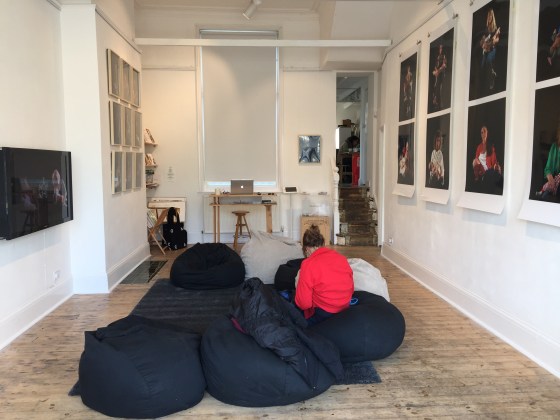
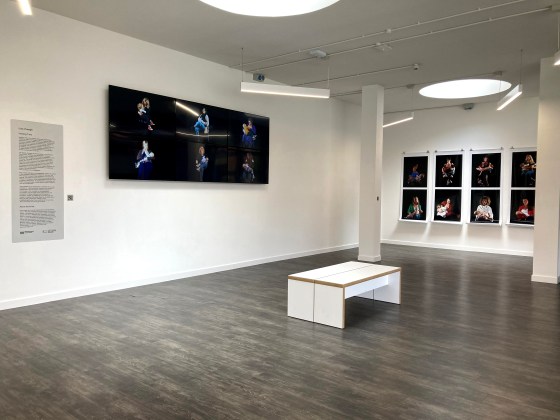
The Ecology of Care | Open Eye Gallery, Liverpool 2022

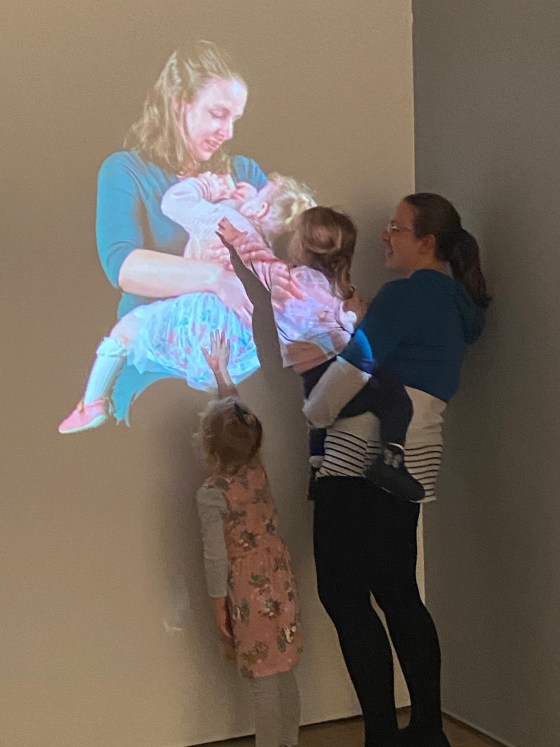
At Open Eye Gallery, Liverpool, The Ecology of Care explored themes of motherhood, care, and connection through art, photography, and music—highlighting community, resilience, and maternal wellbeing.

Measuring Impact

Researchers at Wolverhampton University are gathering data on Holding Time’s impact on the community online and offline through surveys about breastfeeding attitudes

In this BLOG post Dr Lisa J. Orchard, Senior Lecturer in Psychology at the Faculty of Education, Health and Wellbeing at the University of Wolverhampton, introduces their innovative study, designed to measure the impact of the Holding Time Project on viewers. Please add your data to the survey!
Dr Vicky Fallon: Words and Power

Breastfeeding has profound and long-lasting health advantages, but the risks of poor maternal well-being run just as deep. The “breast is best” message has, in many cases, done more harm than good for both breastfeeding and formula feeding women. Words carry a lot of power and we need to be very careful of their use in future breastfeeding promotion campaigns.

For many, the current WHO recommendation of six months of exclusive breastfeeding is simply not realistic and can discourage mothers from even initiating breastfeeding. Instead we should follow a woman-centred approach where mothers are empowered to set their own realistic targets.

VR: mapping out the future

This year I received a prestigious DYCP Arts Council grant to explore the possibilities of Holding Time in VR. I set about researching the potential of VR to be a new way of showing the animation installation without the need for a ‘real’ space.

Coventry Daze: Holding Time and Coventry City of Breastfeeding 2021

In Coventry Daze, Lisa Creagh reflects on creating Holding Time’s Coventry project during the COVID-19 pandemic. Mothers from diverse backgrounds took part in Zoom interviews, storytelling workshops, portrait sessions and exhibitions, resulting in writing, animated portraits, films and permanent hospital artworks. The project celebrated breastfeeding while exploring cultural, structural and emotional barriers.

Bonding: Advice for New Mothers from Midwife Angelina Steinegger

In this Holding Time article, postnatal lead midwife Angelina Steinegger reflects on bonding and attachment in the first hours, weeks and months of a baby’s life. She explores the importance of holding, talking, singing, massage, skin-to-skin contact and responsive caregiving, while reassuring parents that bonding is a gradual process rather than something that must happen immediately after birth.

Presentation at Warwick University Maternity Themed Clinical Trials Launch

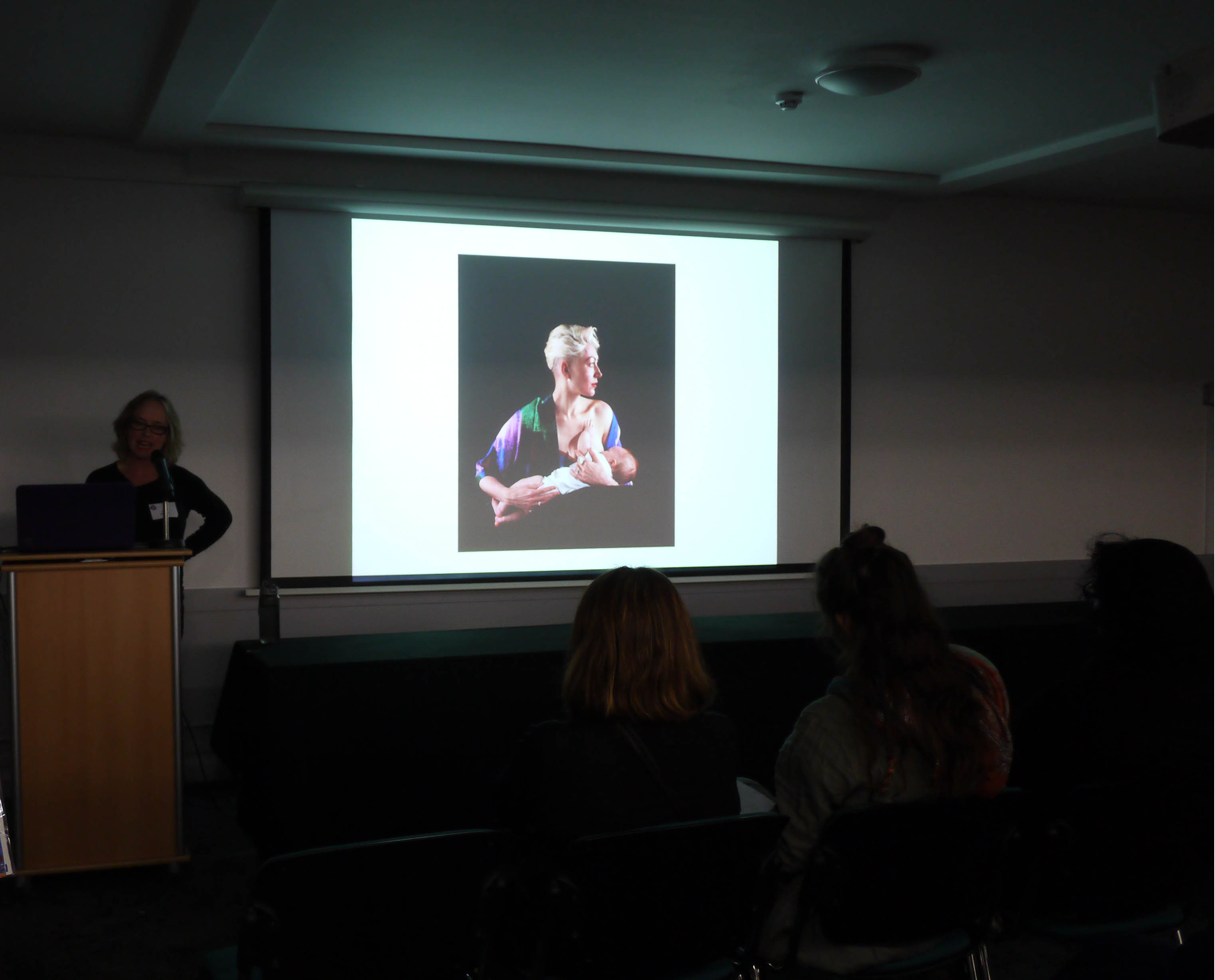
I spoke about my project and the aims of partnering with the CTU for Coventry City of Culture. I showed the animated portraits, as well as a slideshow of stills. it was the first time I had presented the work in a meidcal setting and I found the atmosphere invigorating. It gave me new insight into how clinical trials lead the way to greater understanding of new approaches.

Thoughts from ONCA

Over the past few weeks I have been at the gallery every day. Sometimes I just sat on the beanbags and enjoyed the quiet. Other days I had others to join me: Lucila came almost every day. Many mothers came with their children. But also quite a few fathers. And others who had never had children; young women interested in the subject with their boyfriends, mothers whose babies had grown, mothers who had not breastfed, mothers who were still breastfeeding their four year old, mothers with newborns still struggling with the adjustment to motherhood.

Why Now?

In the UK, breastfeeding has been recognised as having a major role to play in public health and in reducing health inequalities, and has been translated into policy programmes such as the Baby Friendly Initiative that accredits health care facilities that adopt recognised best practice standards for breastfeeding. However, less than 1% of babies are exclusively breastfed for the first six months of life (Bolling et al., 2007). Not only that, a comprehensive review series on breastfeeding in The Lancet, published on 30 January this year, gave a clear signal of what is needed to be done and pointed at Britain as having “the worst breastfeeding rates in the world”.

Building Belonging

The arguments for breastfeeding in terms of health are already won, but breastfeeding statistics remain impossibly low in the UK. How can this be? Because the barriers to breastfeeding are cultural, not medical but the majority of information about breastfeeding comes from the medical community. This viewpoint says that women should breastfeed, without acknowledging the personal and emotional struggles involved in doing so.

Fabrica Gallery Installation

Fabrica Gallery hosted Holding Time’s first multi-screen installation—mothers’ voices, animation, and music exploring breastfeeding, culture and time.